

Tai O – The Venice of the East (With Better Stories)
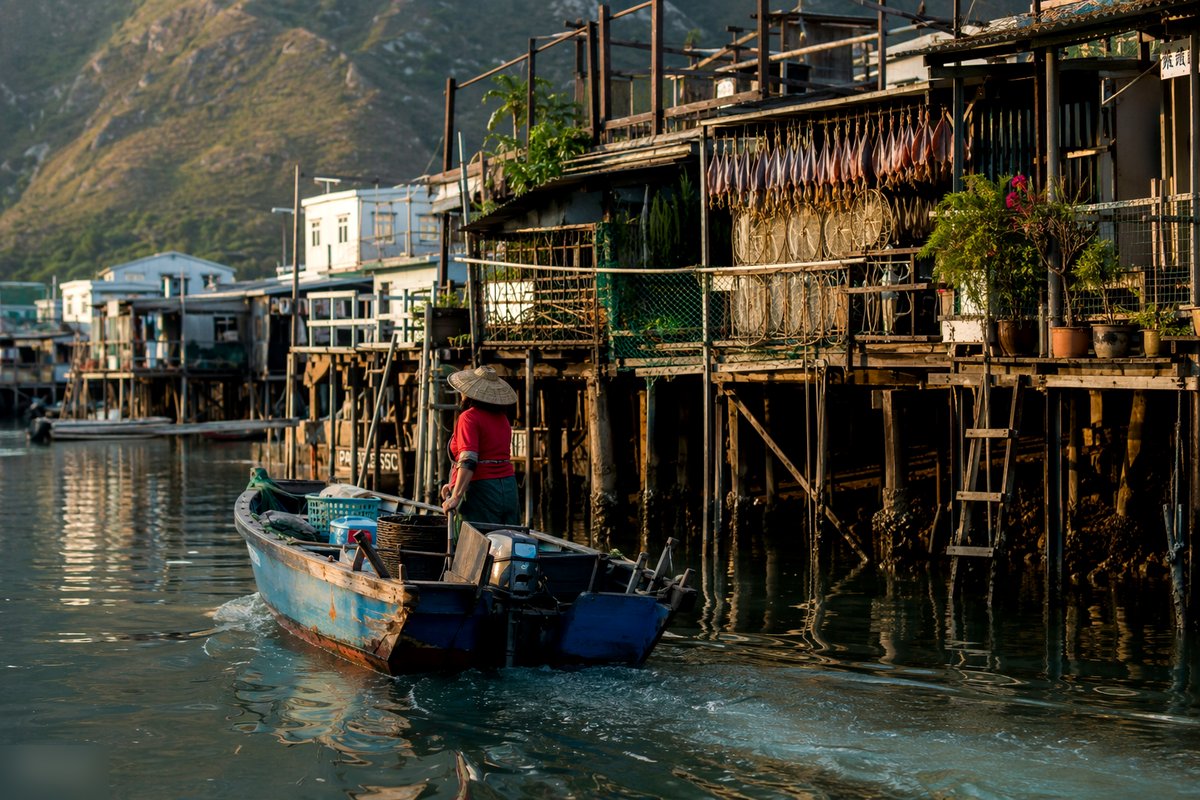
Arrive in Tai O and the smell hits you first — dried fish, salt, and something faintly sweet from the snack stalls. Then you see them: rows of weathered houses standing on stilts above the canals, laundry fluttering next to fishing nets. Many call this place the "Venice of the East," but honestly? Venice wishes it had stories like these.
Stilt Houses and Sea Nomads
For generations, these homes have stood on wooden stilts directly above the water — today reinforced with concrete. The reason is a piece of history most visitors never hear: the Tanka fisherfolk, often called "sea nomads," were long marginalised by land-dwelling communities and effectively pushed to live on the water. So they built their entire world on stilts. From their wooden platforms, families dried fish, repaired nets, and shared daily life with their neighbours. Even today, the narrow walkways between the houses tell you how close this community really is.
At its peak, Tai O was home to hundreds of fishing boats and supplied a significant share of Hong Kong's seafood. Salt production was just as important, with sprawling salt pans surrounding the village. And when devastating fires destroyed many homes in 2000 and 2013, the villagers simply rebuilt — preserving this one-of-a-kind waterfront landscape.
Pink Dolphins and Canal Boat Rides
The best way to see Tai O is from the water. A small boat takes you through the canals, right beneath the stilt houses — and then out to sea, where there's always the hope of spotting the famous pink dolphins. These Indo-Pacific humpback dolphins — officially called Chinese white dolphins — look pink because of blood vessels near the skin surface. Calves are actually born dark grey and lighten with age. They are rare and endangered, threatened by pollution and heavy marine traffic, so a sighting is genuinely special. If you're lucky enough to see one surface, it's a moment you won't forget.
Nine Bullet Holes at the Heritage Hotel
At the end of the promenade stands the Tai O Heritage Hotel, once the village police station and now a boutique gem with just nine rooms. But the building hides a dramatic story. In 1918, a dismissed Sikh constable named Bakhshish Singh returned to the station to confront his superior. He fired through the metal shutters and killed Sergeant Thomas Glendinning, an Australian officer. To this day, you can still see the bullet holes in the shutters — silent witnesses to that tragic confrontation. My guests are always speechless when I show them.
Shrimp Paste, Donuts and Mango Mochi
Tai O is famous for its shrimp paste — pungent, salty, and beloved in Cantonese cooking. Locals grind tiny shrimp into a paste, ferment it for months in big blue barrels, then press it into blocks to dry in the sun. The aroma is… let's say "authentic." But trust me: once you've tasted shrimp-paste fried rice, you understand. And for dessert, don't miss the village donuts — simple fried dough dusted with sugar — or a fresh mango mochi. Perfect fuel for the walk back.
Temples by the Water
Tai O's spiritual heart beats in its temples. The Kwan Tai Temple, built during the Ming Dynasty (1488–1505), honours a legendary general known for loyalty. Nearby, the Tin Hau Temple watches over the fishermen, dedicated to the goddess of the sea. Both remain centres of village life — especially during the annual Dragon Boat Water Festival, when rituals cleanse the village and ward off illness.
· Come on a weekday morning — weekends get crowded by noon.
· The canal boat ride costs around HK$40–50 and is worth every cent.
· Combine Tai O with the Big Buddha and Po Lin Monastery — it's the perfect Lantau day.
· Best photo spot: the rope-drawn ferry crossing near the Sun Ki Bridge.
· Getting there: MTR to Tung Chung, then Bus 11 directly to Tai O — or cable car to Ngong Ping and Bus 21 from there.
· Tai O Heritage Hotel — history of the 1902 police station & the 1918 incident
· Hong Kong Tourism Board — Tai O village guide
· Agriculture, Fisheries & Conservation Department — Chinese white dolphin conservation
Why I Keep Coming Back
As a guide, Tai O is one of my favourite places to show guests — because every corner tells a story, and every story connects us to the soul of old Hong Kong. It's not a museum. People still live here, dry fish here, pray here. That's what makes it magic.
If you'd like to experience Tai O with someone who knows where the bullet holes are hidden and which stall has the best mango mochi — just reach out. I'd love to show you around.